Become a Freemason
The path does not begin with a promise. It begins with the honest question of whether one is ready to work on oneself.
The first step
Not merely the search for belonging
Those who wish to become Freemasons are usually looking for more than a new circle of people. Some seek a place for thoughts that find little room in everyday life. Others feel the wish to examine their own actions more carefully and to carry responsibility more consciously.
Freemasonry offers no ready-made answer to this. It opens a path on which questions, symbols, conversations and fraternal encounter can become tools of self-knowledge. What grows from this does not depend on a title, but on the willingness to begin again with oneself.
For this reason, the SGLA does not understand admission as a quick membership. A message can open a door. Behind it lie time, personal conversations and careful clarification on both sides. No one needs to have decided everything at the first contact; the interest should, however, be serious and sincere.
What this path asks
A path that begins with one's own measure
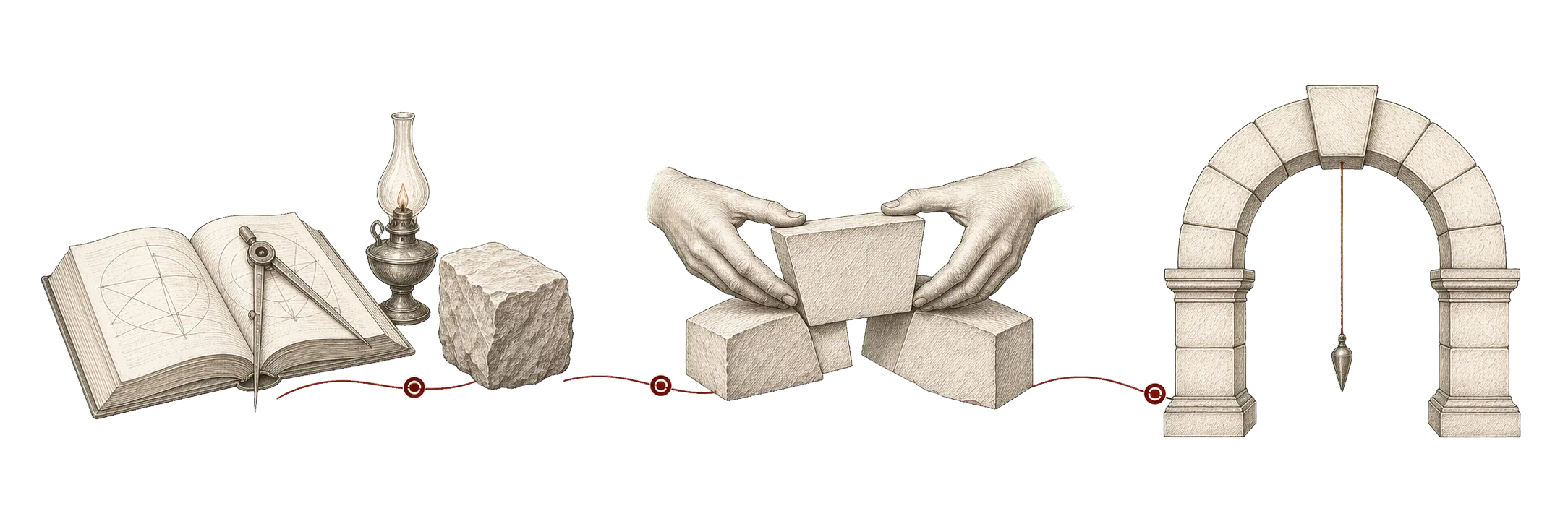
Freemasonry promises no shortcut and no external distinction. It asks for the willingness to question what is familiar, to carry commitment and to contribute to a community without leaving one's own character at the door.
- Sincerity
To examine one's own motivation openly and not need to present anything in conversation that one is not.
- Time and openness
To listen, allow other perspectives and give mutual acquaintance the time it requires.
- Responsibility
To understand insight not as an end in itself, but to make it visible in one's dealings with others and in one's own conduct.
Requirements
Who may seek admission
These requirements describe the path of the SGLA. They are not a universal statement about every form of Freemasonry. What matters is not social status, but whether personal maturity, life circumstances and Masonic understanding fit together.
The personal foundation
- You have a serious interest in Masonic values and are willing to reflect on your own character.
- You can make time for regular participation, conversations and continuing work in the community.
- You meet others with respect and uphold freedom of conscience, belief and thought.
- Totalitarian thinking and extremist convictions are not compatible with this path.
The SGLA requirements
- You are an adult, free man of impeccable reputation and do not violate good morals or public decency.
- You have no criminal record; a certificate of good conduct is required in the admission process.
- You are willing to work on yourself and to uphold the values of Freemasonry.
- The SGLA requires a spiritual understanding and belief in a highest God, independent of a particular religious dogma.
The admission path
From first contact to admission
The process is not a standardized application procedure. It creates time for trust and for a decision that both sides can consciously carry. Contact opens this possibility, but does not guarantee admission.
-

First contact
The first contact arises either through the personal approach of a Brother or through your own message to the SGLA. This message is not yet an application and not an obligation. It first brings a question into conversation.
-
Personal conversations
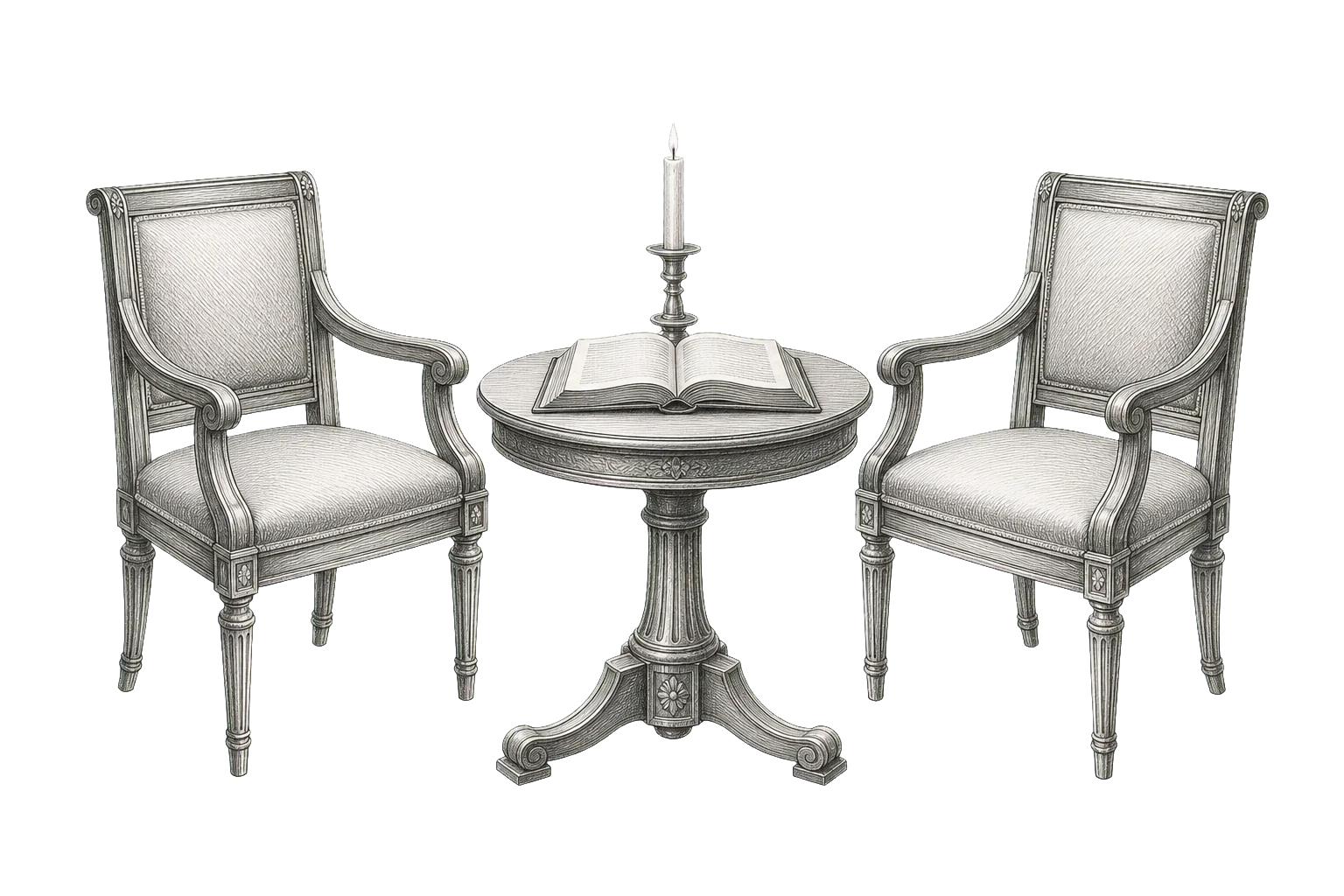
Two conversations with different Master Masons on different days give both sides the opportunity to get to know each other. They concern motivation, expectations and values, but also allow open questions to be clarified without haste.
-
Presentation and ballot
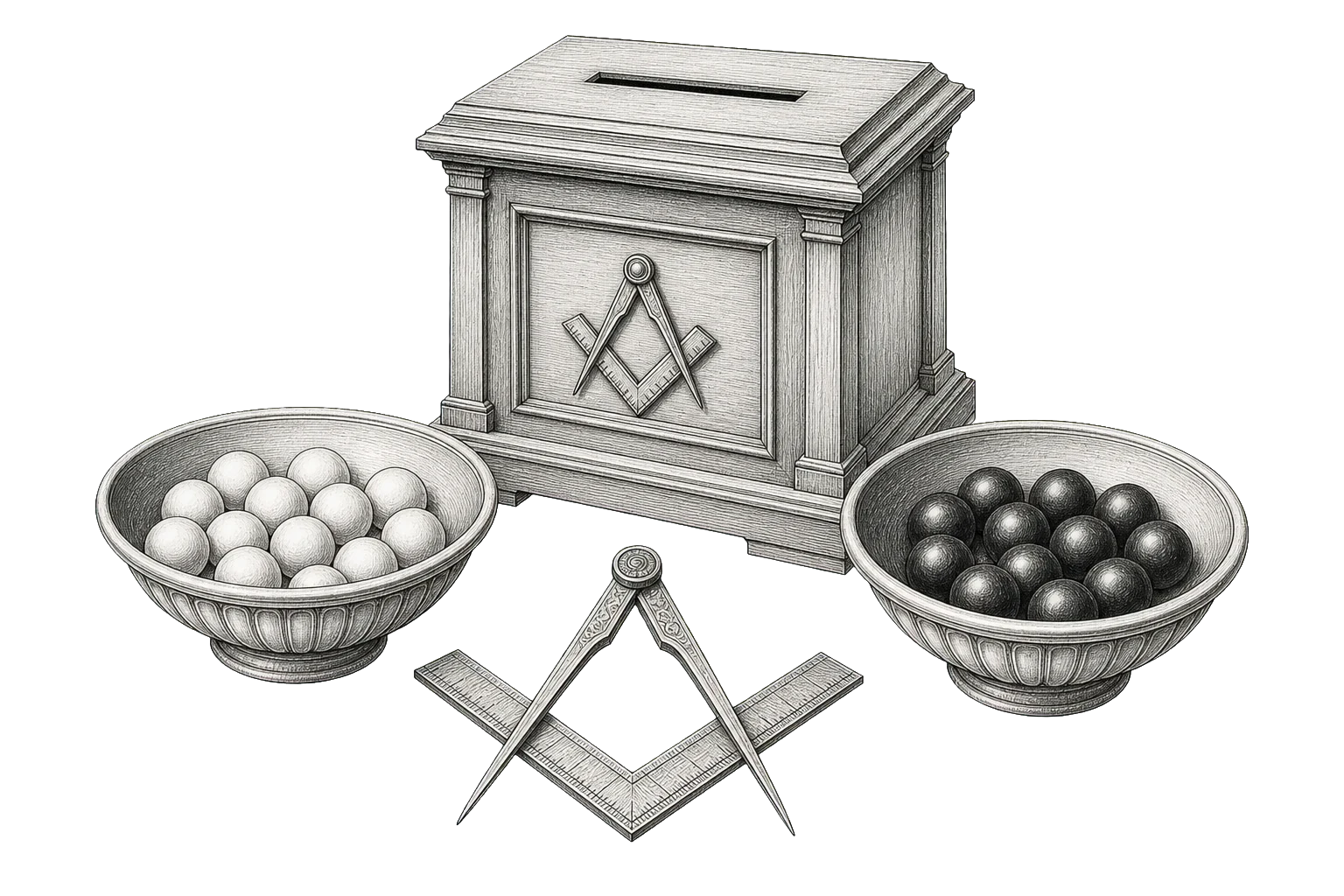
The two conversation partners then present the seeker to the Brotherhood. After that, an internal vote is held on possible admission. This secret ballot is binding in its result.
-
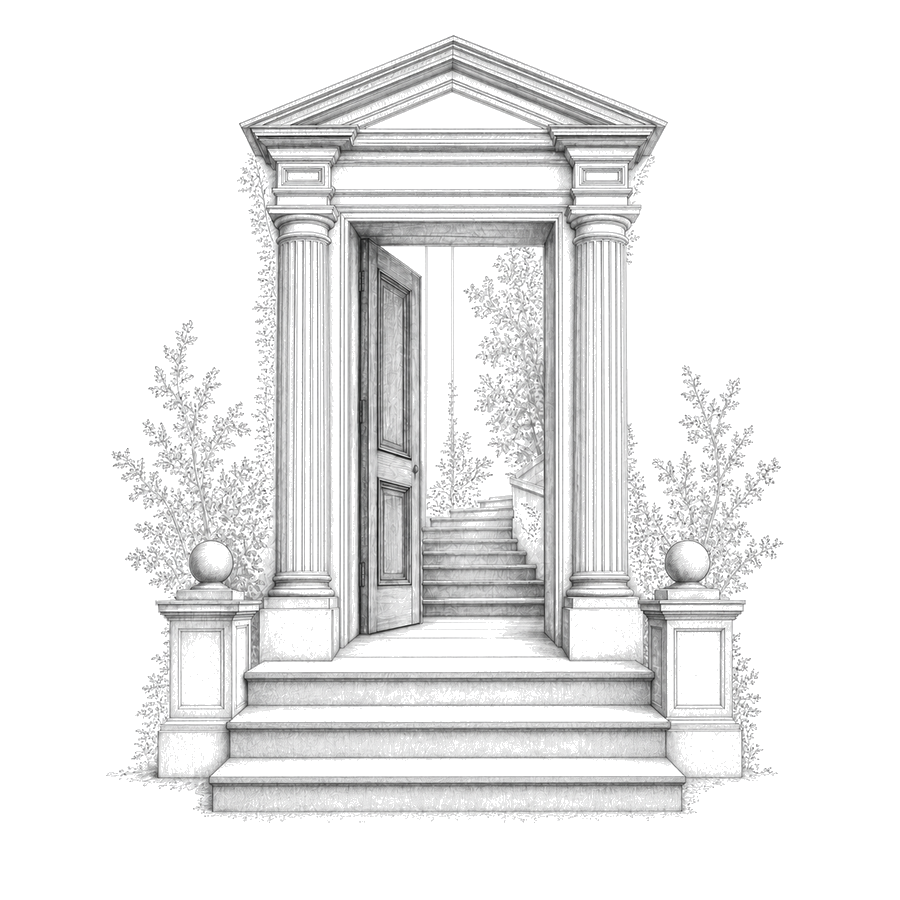
Admission
If the decision is positive, a date is agreed and all organizational matters are explained in good time. Admission is not a mere entry on a list, but a solemn ritual act. It leads into the chain of Brothers and at the same time to the beginning of Masonic work.
After admission
Admission is a beginning
The ritual admission marks a threshold, but not a conclusion. With it begins the time as an Apprentice: a phase of listening, observing and gradually understanding. Symbols are not simply explained and set aside. Their meaning grows with one's own experience.
Masonic work requires regular participation and the willingness to share thoughts with others. It lives from people who give one another trust, endure differences and examine their own standpoint.
Whoever becomes a Freemason therefore receives no finished image of himself. He chooses a path on which insight must again and again be brought back into everyday life. The true measure lies not in the ritual, but in what changes in thought, speech and action.
Questions
Frequently asked questions about the path
Yes. Contact can arise through the personal approach of a Brother or through your own message to the SGLA. The first contact is not yet a formal application for admission.
The SGLA names, among other things, legal adulthood, an impeccable reputation, no criminal record, willingness to work on oneself, a spiritual understanding and belief in a highest God independent of a specific religious dogma. The full explanation is found in the section admission path.
No. A personal approach is one possible path; a direct message through the contact page is another.
There is no fixed promise. If both sides wish to continue the exchange, admission may be possible after a few months. Trust and mutual fit are decisive, not speed.
Two conversations with different Master Masons on different days serve mutual acquaintance. Motivation, expectations and shared values are discussed openly. The seeker, too, should be able to examine whether the SGLA fits his path.
In Freemasonry, ballot refers to the internal vote on a possible admission. It takes place after the personal conversations and after the seeker has been presented to the Brotherhood.
The admission fee and monthly contribution are explained transparently in the first personal conversation. The contributions serve Masonic work and are not profit-oriented.
Yes. The path explicitly serves discernment on both sides. If values, expectations or requirements do not fit, or if the ballot is negative, admission does not take place. A first message is therefore an opening for conversation, not a guarantee of admission.
Further reflection
Ask further before deciding
Anyone seriously considering this path should know more than the process. It is equally important to understand what Freemasonry means, the context in which the SGLA works and the questions that carry one's own search.